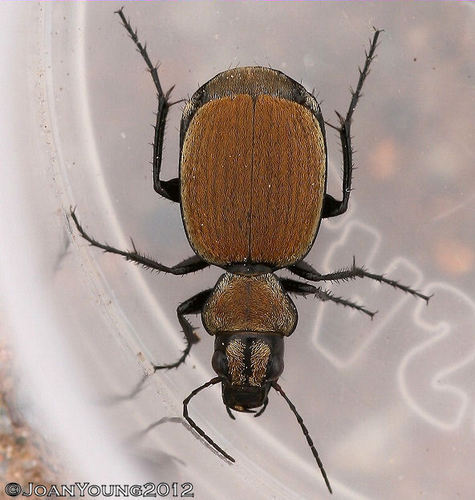
Common Velvet Ground Beetle
Graphipterus limbatus
A master of the desert sprint, the Common Velvet Ground Beetle is a striking predator known for its high-speed hunts and beautiful bordered markings.
Quick Identification
Size
15–20 mm (0.6–0.8 inches) in length
Colors
Matte black body with a dense, velvety texture; prominent white or cream-colored border around the outer edges of the elytra (wing covers).
Key Features
- Dense velvety pubescence covering the exoskeleton
- Distinct white or yellowish lateral border on the elytra
- Long, spindly legs adapted for high-speed running
- Prominent mandibles for hunting
When You’ll See Them
Geographic range
Where Does the Common Velvet Ground Beetle Live?
Native to the Palearctic region, the Common Velvet Ground Beetle is most frequently encountered across North Africa and the Levant. Its core range spans from the Atlantic coast of Morocco through the Saharan regions of Algeria, Tunisia, Libya, and Egypt, extending into the Arabian Peninsula and parts of Israel and Jordan. This species is a specialist of the 'Saharo-Sindian' zone, thriving in the transition areas where desert sands meet sparse, hardy vegetation.
Basemap © OpenStreetMap contributors
Behavior
The Common Velvet Ground Beetle is a high-speed predator of the desert floor and arid scrublands. Unlike many members of the Carabidae family that prefer the cover of night, this species is strictly diurnal. It has evolved to thrive in intense heat, using its long legs to keep its body elevated above the scorching sand—a behavior known as 'stilting.' It moves in rapid, erratic bursts, making it look like a black-and-white blur as it sprints across open ground.
These beetles are highly visual hunters. They rely on their large eyes to spot movement from a distance, at which point they chase down their prey with remarkable acceleration. When threatened, they are known to emit a pungent chemical defense from their abdomen to deter birds and lizards. While they are solitary hunters, they are frequently found in areas with high ant activity, which serves as their primary food source.
EverydayEarth exclusive
Camera Tips
To capture the Common Velvet Ground Beetle on camera, you must focus on ground-level placement. These beetles never fly and rarely climb, so your camera lens should be positioned no more than two to three inches off the surface. Using a macro lens or a camera with a very short focal distance is essential, as these insects are relatively small and move quickly. A 'pit' or a recessed area in the sand can help slow them down long enough for a clear shot.
While they are predators, you can attract them indirectly by baiting for their prey. Placing a small amount of sugar water or fruit near the camera site will attract ants; the Velvet Ground Beetle will soon follow to hunt the gathering insects. Because they are diurnal and active in bright sunlight, you don't need infrared flash, but you will need a fast shutter speed—at least 1/500th of a second—to freeze their rapid sprinting motion without motion blur.
Position your camera in a transition zone, such as the edge of a shrub or a patch of dry grass near open sand. These beetles use the vegetation for shade during the hottest part of the day and hunt in the open patches. Early morning and late afternoon provide the best natural light for highlighting the 'velvety' texture of their shells, which can look flat and featureless in harsh midday sun.
Frequently Asked Questions
Record Common Velvet Ground Beetle at your habitat
Connect a camera to start building your own species record — AI identifies every visitor automatically.