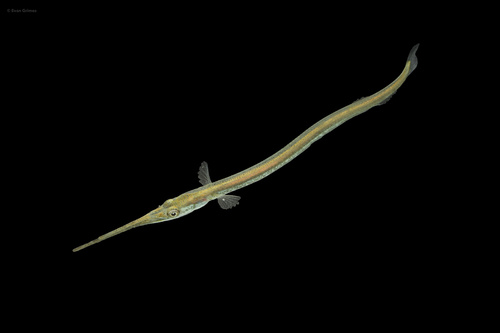
Atlantic Needlefish
Strongylura marina
Meet the silver arrow of the shallows. The Atlantic Needlefish is a sleek, surface-dwelling predator famous for its lightning-fast strikes and unique, beak-like jaws.
Quick Identification
Size
30–111 cm (12–44 inches) in length; typically weighs 0.5–2 kg (1–4.5 lbs)
Colors
Bluish-green or olive back with bright silvery sides and a white belly; often features a dark horizontal stripe along the flank
Key Features
- Extremely elongated, needle-like jaws with sharp teeth
- Slender, torpedo-shaped body profile
- Dorsal and anal fins positioned far back near the tail
- Lower jaw slightly longer than the upper jaw
When You’ll See Them
Geographic range
Where Does the Atlantic Needlefish Live?
The Atlantic Needlefish is native to the western shores of the Atlantic Ocean, spanning a vast latitudinal range from the temperate waters of Maine in the United States down to the tropical coasts of southern Brazil. This species thrives throughout the coastal zones of North, Central, and South America, including the entirety of the Gulf of Mexico and the Caribbean Sea. While primarily a marine inhabitant, they are remarkably adaptable and are frequently found in brackish estuaries and freshwater canals far inland from the coast.
Basemap © OpenStreetMap contributors
Behavior
The Atlantic Needlefish is a specialized surface-dweller, often seen gliding just beneath the water's surface in search of prey. They are solitary or loosely schooling hunters that rely on their incredibly thin profile to remain undetected by smaller fish. When stalking prey, they move slowly and strike with a sudden, sideways snap of their long, tooth-filled beaks. This species is known for its agility and can leap out of the water at high speeds if startled or when pursuing a meal.
In coastal backyard settings, they are frequently spotted around docks, piers, and marinas where the water is relatively still. They are highly attracted to artificial lights at night, which they use to find congregating baitfish. While generally harmless to humans, they can be skittish, and their tendency to jump toward light sources means they should be observed from a respectful distance during night fishing or boating activities.
EverydayEarth exclusive
Camera Tips
To capture high-quality footage of the Atlantic Needlefish, camera placement is the most critical factor. Because this species spends nearly all its time in the top few inches of the water column, your camera should be mounted just 6 to 12 inches below the surface. If you are filming from a dock or pier, use a floating mount or a fixed bracket that keeps the lens level with the surface tension. Angling the camera slightly upward can capture the dramatic silhouette of the needlefish against the sky or the underside of the water's surface.
Nighttime offers the best opportunity for close-up encounters. These fish are highly phototaxic, meaning they are naturally drawn to light. Installing a submerged green or white LED light near your camera will attract baitfish, which in turn brings the needlefish directly into your frame. To avoid overexposing their highly reflective, silvery scales, place the light source 2-3 feet to the side of the camera rather than directly behind it. This creates a more natural side-lighting effect that highlights their long jaws and slender bodies without washing out the image.
Since needlefish are incredibly fast, use a high frame rate (at least 60fps) to avoid motion blur during their rapid strikes. If you are using a motion-triggered camera, set the sensitivity to high, as their thin profile can sometimes fail to trigger sensors designed for larger mammals. During the summer months, look for areas with overhanging vegetation or mangroves, as needlefish often hover in the shadows of these structures waiting for an ambush opportunity.
Similar Species
Species that look similar or are commonly confused with Atlantic Needlefish.
Frequently Asked Questions
Record Atlantic Needlefish at your habitat
Connect a camera to start building your own species record — AI identifies every visitor automatically.