Cisco
Coregonus artedi
Discover the silver ghost of the Great Lakes. The Cisco is a master of the deep, known for its shimmering schools and vital role in the cold-water ecosystem.
Quick Identification
Size
Typically 25–40 cm (10–16 inches) long and weighing 0.5–1.4 kg (1–3 lbs)
Colors
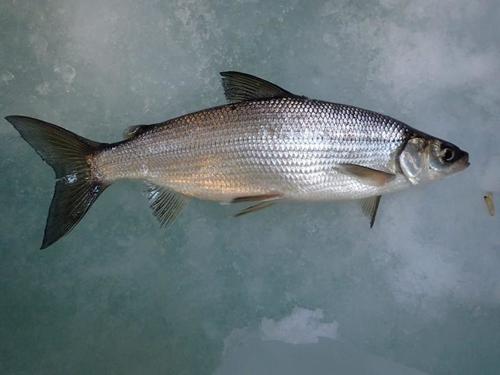
Iridescent silver sides with a dark blue, emerald green, or violet-tinted back and a white belly
Key Features
- Distinctive adipose fin between the dorsal and tail fins
- Terminal mouth where the lower jaw often projects slightly forward
- Deeply forked tail fin
- Slender, streamlined body built for speed
When You’ll See Them
Geographic range
Where Does the Cisco Live?
Native to the northern regions of North America, the Cisco is a hallmark species of the glacial lakes found throughout Canada and the northern United States. Their primary range encompasses the Great Lakes basin and extends northward through the boreal forests of Ontario and Quebec into the Arctic drainages of the Northwest Territories. They are also found across the upper Midwestern states, including Minnesota, Wisconsin, and Michigan, where they inhabit deep, inland 'two-story' lakes that remain cold year-round.
Basemap © OpenStreetMap contributors
Behavior
Ciscoes are highly social, schooling fish that act as a vital link in the food web of North America’s cold-water lakes. They are primarily pelagic, meaning they spend the majority of their time in the open water column rather than near the bottom or the shore. Known for their daily vertical migrations, they typically move toward the lake surface at night to feed on plankton and retreat to the safety of dark, oxygen-rich depths as the sun rises.
These fish are exceptionally sensitive to environmental changes, particularly rising water temperatures and declining oxygen levels, often serving as indicators of overall lake health. While they are usually wary and keep their distance from human activity, they congregate in massive, shimmering schools during the late autumn. During this spawning period, their behavior shifts as they move into shallower waters, providing a rare opportunity for lakeside observers and underwater cameras to witness their synchronized movements.
EverydayEarth exclusive
Camera Tips
To capture the silver flash of a Cisco, you will need to move your EverydayEarth setup underwater. For those with lakefront property or access to a dock, the most effective method is mounting an action camera or a specialized underwater trail camera to a dock piling or a weighted tripod lowered to the lakebed. Aim the camera at a depth of 3 to 8 feet over a patch of clean gravel or cobble. These areas are magnetic to Cisco during their late-autumn spawning run (November and December), which is the only time these deep-water specialists venture into shallow 'backyard' depths.
Lighting is the biggest challenge for underwater photography. While Cisco are active during the day, their most impressive schooling behavior often occurs at twilight. Use a camera with high-quality infrared (IR) LEDs to capture crisp black-and-white footage without spooking the fish. If your water clarity is low, try placing a small, submersible green fishing light about five feet away from the lens. This light attracts zooplankton, which in turn draws the Cisco directly into your camera's field of view for a feeding frenzy.
For the best results, set your camera to record high-definition video rather than still photos. Cisco are incredibly fast swimmers, and a 20-second video clip better captures the mesmerizing, fluid motion of a school than a single still image. Be mindful of the cold; as water temperatures drop toward freezing during the peak Cisco season, battery life can diminish rapidly. Using fresh lithium batteries or an external underwater power pack will ensure you don't miss the peak of the autumn spawning run.
Similar Species
Species that look similar or are commonly confused with Cisco.
Frequently Asked Questions
Record Cisco at your habitat
Connect a camera to start building your own species record — AI identifies every visitor automatically.