Elk
Cervus canadensis
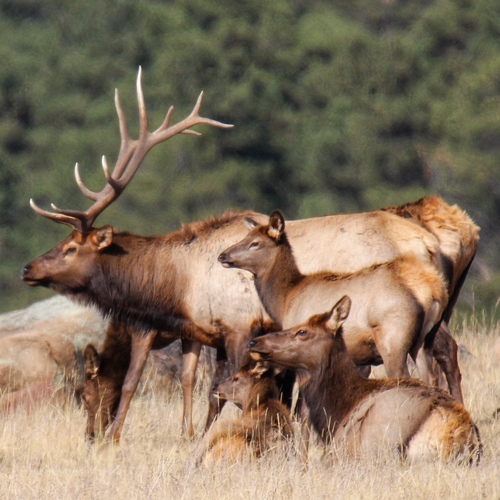
The Elk is one of nature's most magnificent spectacles, a symbol of the rugged wild that commands attention with its massive antlers and haunting bugle. Whether moving silently through a misty forest or grazing in a sunlit meadow, they are the undisputed royalty of the deer family.
Quick Identification
Size
Height: 1.2–1.5 m (4–5 ft) at shoulder; Length: 2.1–2.4 m (7–8 ft); Weight: 225–450 kg (500–1,000 lbs)
Colors
Tan or light brown body with a noticeably darker brown neck and mane. Creamy-yellow rump patch is a signature identifier.
Key Features
- Large, creamy-yellow rump patch
- Massive branching antlers on males (bulls)
- Dark brown shaggy mane on the neck
- Significantly larger than White-tailed or Mule deer
When You’ll See Them
Sightings on EverydayEarth
May 29, 2026
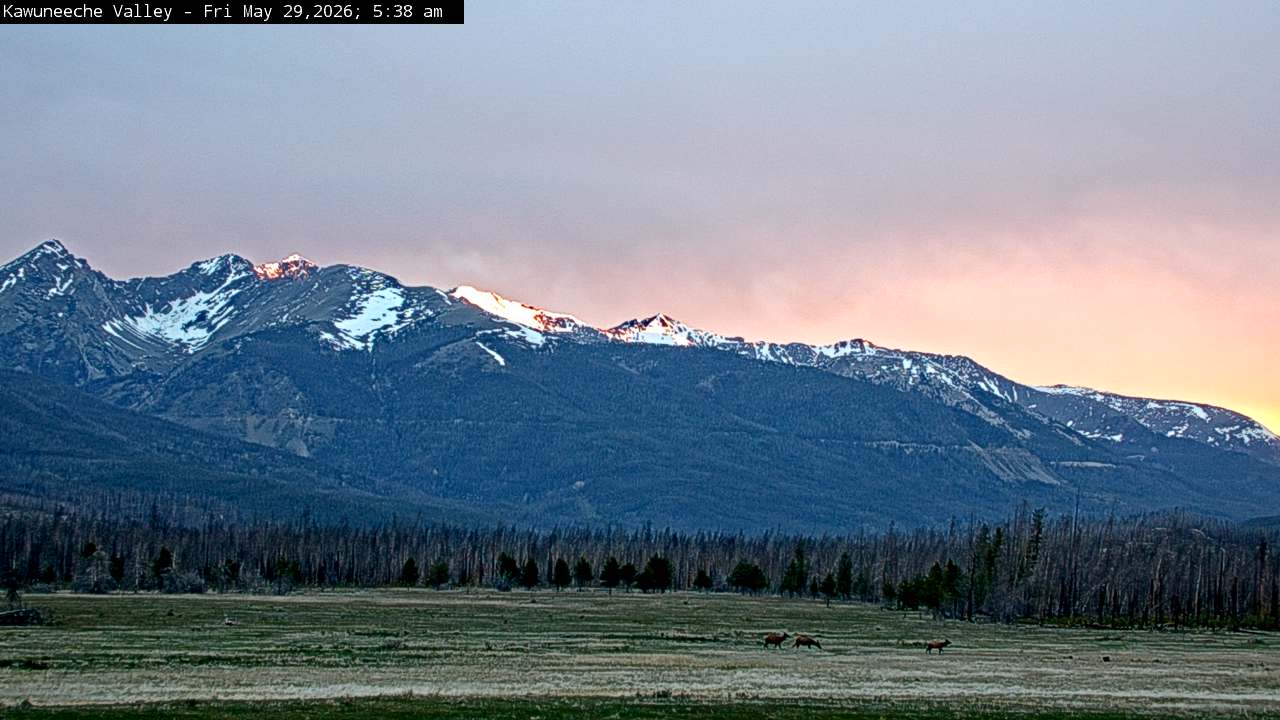
Three elk are visible grazing in the wide expanse of Harbison Meadow during the early morning hours. They are spread out across the grass, moving slowly as they forage.
May 29, 2026
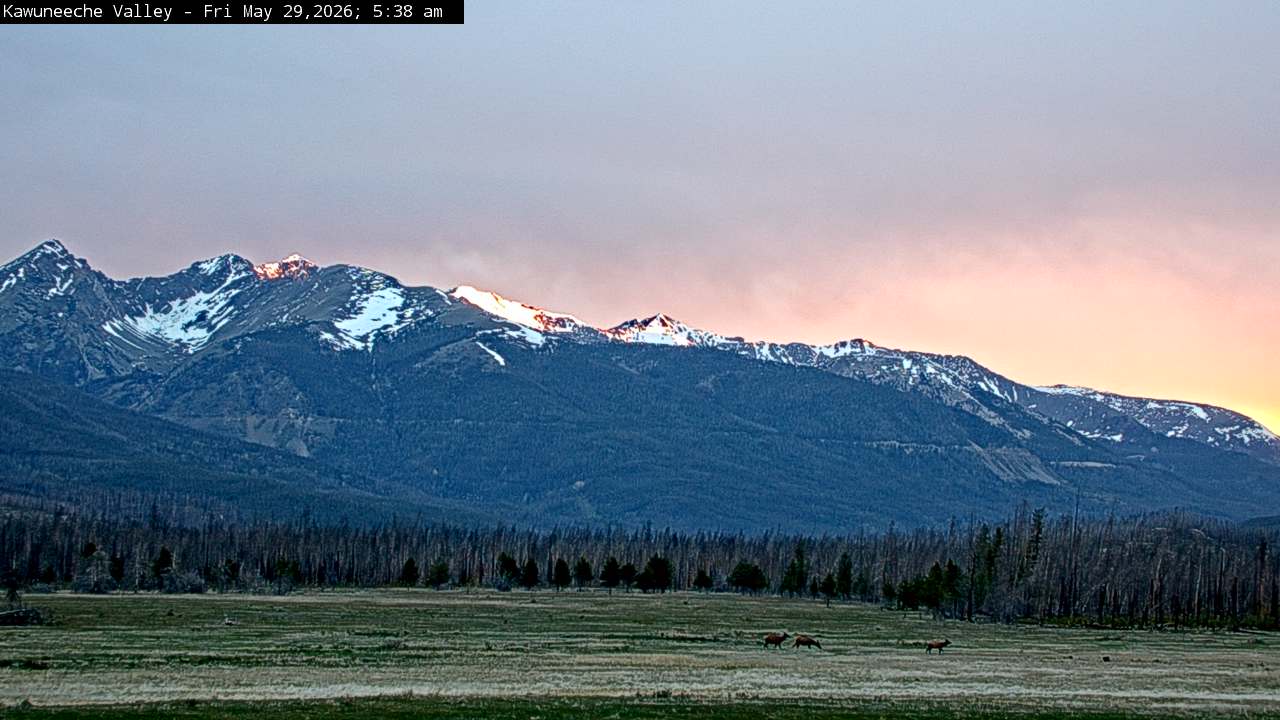
Three elk are grazing in the open expanse of Harbison Meadow during the quiet early morning hours. The herd is spread out across the grass with the Never Summer Mountains visible in the distance.
May 26, 2026
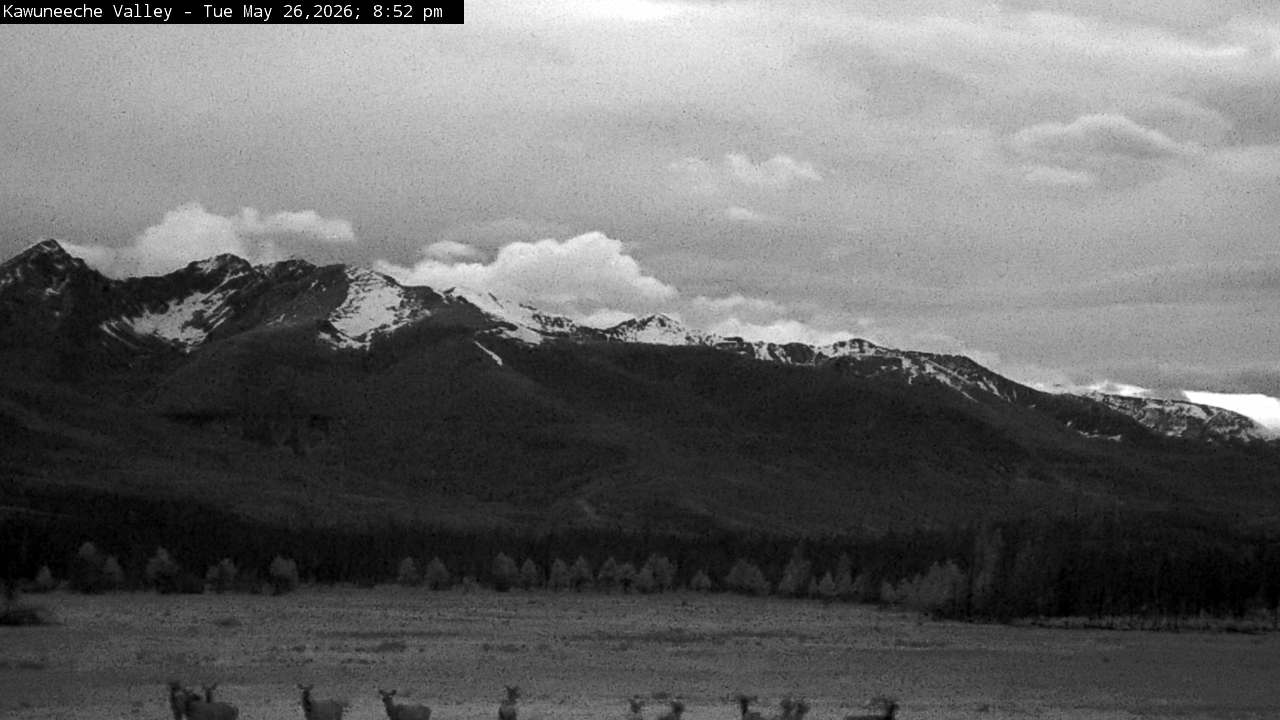
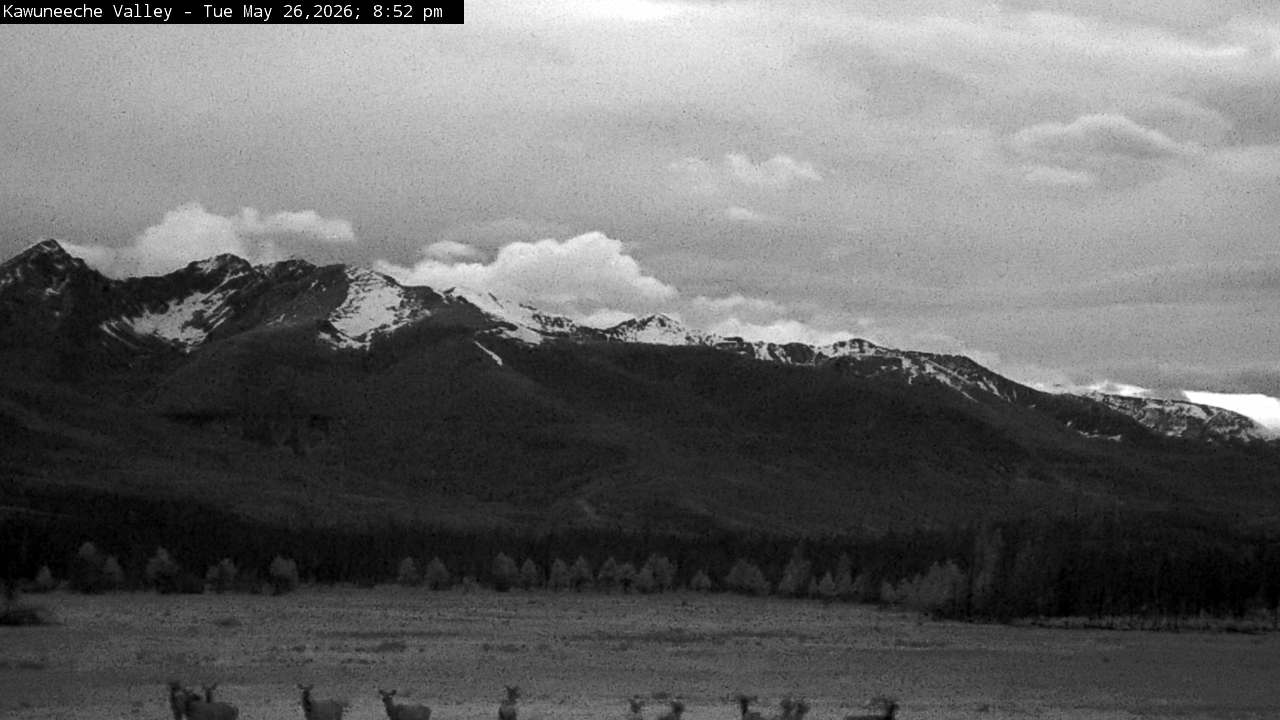
A herd of elk is seen grazing in Harbison Meadow as dusk settles over the valley. Several individuals are visible as dark silhouettes against the meadow grass in the foreground. In the background, the peaks of the Never Summer Mountains still hold patches of snow under a cloudy evening sky.
May 26, 2026
A herd of elk is gathered in Harbison Meadow at dusk. Several individuals are visible as dark silhouettes against the meadow floor, with some standing alert and others grazing, while the Never Summer Mountains loom in the background under a cloudy evening sky.
May 22, 2026
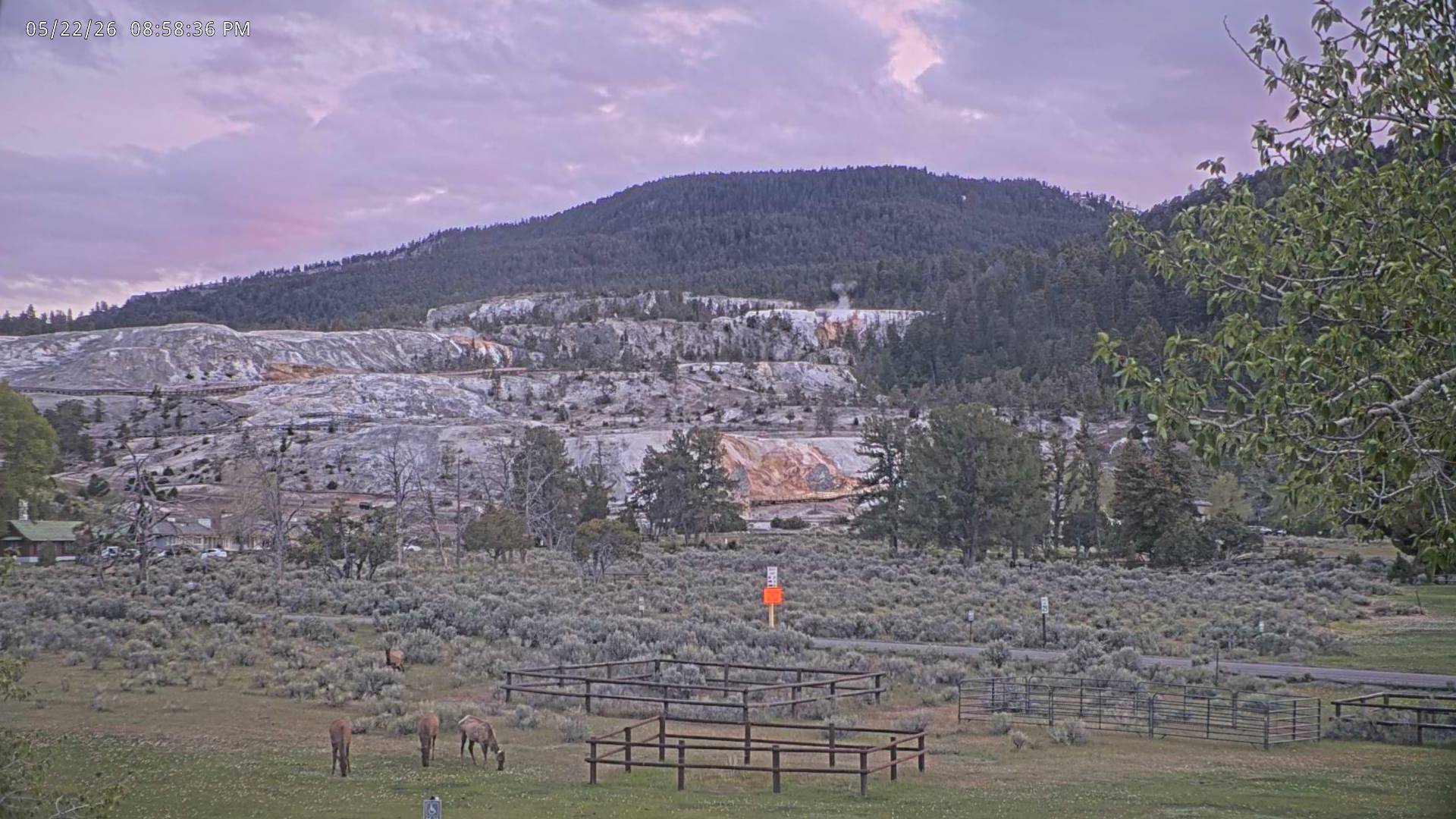
A small group of elk is grazing on the green grass of the parade grounds during the late evening. They are spread out in the foreground and middle ground, calmly feeding as the light fades.
May 22, 2026
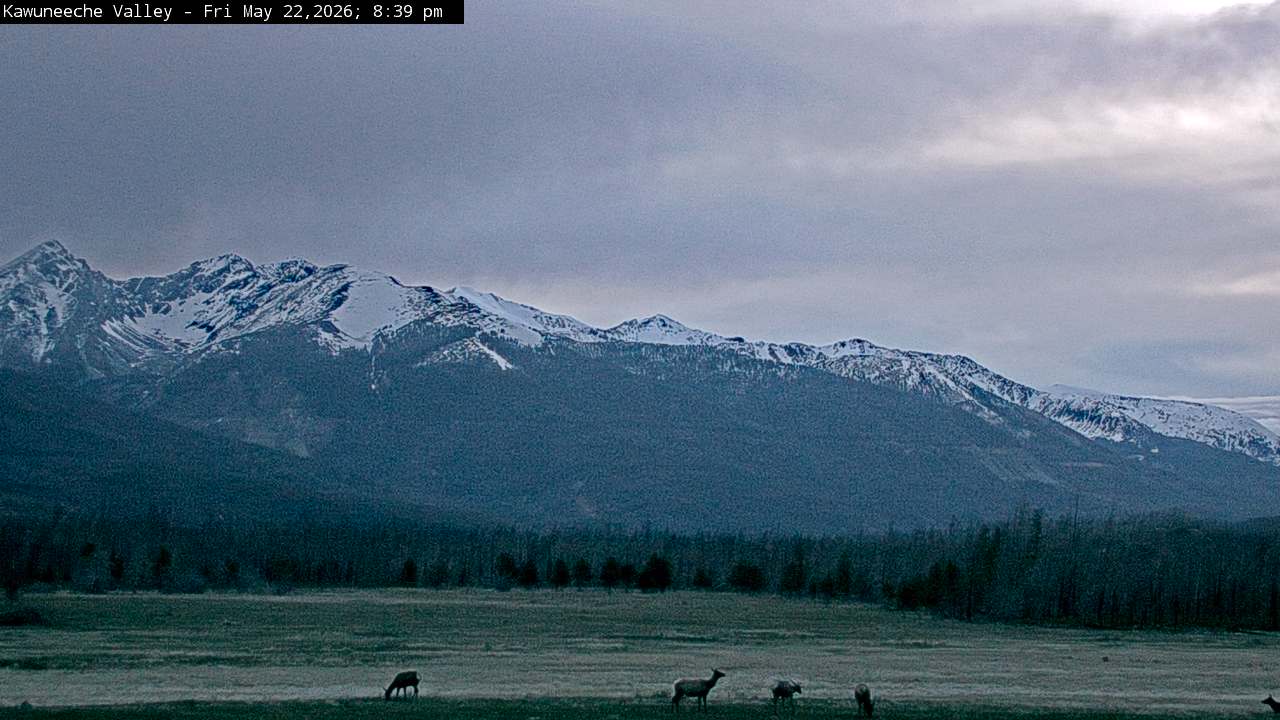
Four elk are grazing in Harbison Meadow as dusk settles. The animals are spread across the valley floor, foraging on the spring grass with the snow-capped Never Summer Mountains in the background.
Geographic range
Where Does the Elk Live?
Native to North America and Central and East Asia, the Elk occupies a vast and varied geographic footprint. In North America, they are most prominently found throughout the Rocky Mountains and the Pacific Northwest, with successfully reintroduced populations now flourishing in several eastern United States regions and across the Canadian provinces. These adaptable giants thrive across a variety of landscapes, from the high-altitude alpine meadows of the western U.S. to the temperate forests and grasslands of Mongolia and China.
Basemap © OpenStreetMap contributors
Behavior
Elk are highly social animals that primarily live in herds, though the composition of these groups changes with the seasons. During most of the year, bulls (males) and cows (females) live in separate groups. This changes dramatically during the autumn 'rut,' or mating season, when dominant bulls gather harems of cows and defend them fiercely against rivals. One of the most iconic elk behaviors is the 'bugle'—a haunting, multi-tonal vocalization used by bulls to advertise their fitness and challenge other males.
These mammals are crepuscular, meaning they are most active during the twilight hours of dawn and dusk. While generally shy around humans, they can become habituated to suburban presence if food is abundant. However, they are powerful animals and can be unpredictable, especially during the rut or when cows are protecting young calves in late spring. Their intelligence and keen senses of smell and hearing make them a rewarding challenge for wildlife observers.
EverydayEarth exclusive
Camera Tips
When setting up a trail camera for elk, height is the most critical factor. Unlike smaller deer, elk stand quite tall at the shoulder; you should mount your camera approximately 4 to 5 feet high and angle it slightly downward. This ensures you capture the full body and the impressive antlers of bulls rather than just a blur of their legs or belly as they pass close to the lens.
Target 'elk highways'—well-worn paths through the timber that lead to open meadows or water sources. In the heat of summer, wallows (muddy depressions where elk roll to cool off and avoid insects) are prime locations for spectacular activity. Look for areas with disturbed soil and a strong musky scent. During the fall rut, focusing on the edge of large clearings where bulls gather their harems will yield the best results.
Because elk are large and move with a surprisingly long stride, set your camera to a fast trigger speed and use 'Burst Mode' (3-5 photos per trigger). This increases your chances of getting a clear shot of the head and rack. Video mode is especially rewarding during the autumn months, as it allows you to capture the behavior and the legendary bugling sounds that define the season.
Check local regulations regarding the use of attractants; in areas where it is legal, mineral blocks or salt licks can be highly effective during the summer months. However, the best 'natural' bait is a clean water source in a dry area. Ensure your camera has a wide-angle lens if possible, as these animals are massive and can easily overfill the frame if the path is too narrow.
Similar Species
Species that look similar or are commonly confused with Elk.
Moose
Much larger with a bulbous nose and broad, palm-shaped antlers rather than pointed spikes.
Mule Deer
Significantly smaller with large 'mule-like' ears and a white tail with a black tip, lacking the elk's large cream rump patch.
Red Deer
The European relative of the elk; they are slightly smaller and have a more reddish summer coat and different vocalizations.
Frequently Asked Questions
Record Elk at your habitat
Connect a camera to start building your own species record — AI identifies every visitor automatically.